
Introduction to Euthanasia and End-of-Life Care
Euthanasia, defined as the act of deliberately ending a person’s life to relieve suffering, is often associated with terminal illnesses. This practice raises profound questions about morality and ethics, especially as it relates to end-of-life care. End-of-life care encompasses a range of medical, emotional, and spiritual support for individuals nearing the end of their lives. It aims to enhance the quality of life, focusing on pain management, hospice options, and decision-making regarding treatment refusal.
The complexities surrounding euthanasia and end-of-life care are vast. Ethical dilemmas arise when considering the value of life versus the relief of suffering. For instance, should a person’s autonomy allow them to choose death over prolonged suffering? Alternatively, is there a moral obligation to preserve life at all costs? These questions are not just theoretical; they impact real lives and the decisions families must face in heartbreaking circumstances.
Understanding religious perspectives is essential in navigating these issues. Different faiths offer unique insights into the sanctity of life, the nature of suffering, and the moral implications of euthanasia. For example, many religions uphold the belief that life is sacred and that only a higher power has the authority to end it. Conversely, other traditions may offer more nuanced views on suffering and death. As we delve into various religious beliefs and philosophical discussions, we will uncover how these perspectives influence the ongoing debates surrounding euthanasia and end-of-life care.
Biblical Perspective on Life and Death
The Bible presents a profound understanding of life and death, emphasizing the predetermined nature of human existence. In the book of Job 14:5, it is stated, “Seeing his days are determined, the number of his months are with thee, thou hast appointed his bounds that he cannot pass.” This verse highlights the belief that God has set specific boundaries for each individual’s life, reinforcing the notion that life is not merely a series of random events.
From a Christian perspective, life is regarded as a sacred gift from God. This belief is deeply rooted in the idea that humans are created in God’s image, endowing each person with inherent value and dignity. As such, Christians uphold the sanctity of life, which serves as a core principle guiding their views on euthanasia. The act of intentionally ending a life, even to alleviate suffering, is often seen as a violation of divine command and an affront to God’s plan for humanity.
These beliefs significantly influence Christian views on euthanasia. Many argue that suffering is a part of human existence, and rather than hastening death, individuals should be supported through compassionate care and spiritual guidance. This perspective advocates for preserving life until natural death occurs, aligning with the understanding that only God has the authority to decide when a life should end. Thus, the Biblical stance establishes a strong opposition to euthanasia, framing it as inconsistent with the reverence for life that is central to Christian doctrine.
Judaism’s View on End-of-Life
In Judaism, the approach to end-of-life issues is deeply rooted in Talmudic teachings that explore the nature of suffering and the sanctity of life. Early Jewish scholars recognized suffering as an inherent part of the human experience, often viewing it through the lens of divine purpose rather than as a mere consequence of sin. A notable Talmudic passage, Berakhot 7a, illustrates this when it recounts Moses questioning God about the uneven distribution of prosperity and suffering among individuals. This reflects a broader acknowledgment that traditional concepts of divine justice may not adequately explain human suffering.
Furthermore, the Book of Job serves as a poignant text in this discourse, challenging the belief that suffering is always a punishment for wrongdoing. Job, a righteous individual, endures immense suffering, prompting discussions on the nature of divine justice and the human condition. This complexity is further highlighted by the Talmudic notion of “sufferings of love,” suggesting that some hardships are not punitive but may serve a higher purpose in the spiritual realm.
Jewish law places a strong emphasis on preserving life, encapsulated in the principle of pikuach nefesh, which prioritizes saving a life above almost all other commandments. As articulated in Leviticus 18:5, the pursuit of God’s laws is fundamentally about the preservation of life. This ethos underscores the belief that actively instigating death, even in the context of euthanasia, is strictly forbidden, classifying such actions as murder.
In situations of extreme suffering, rabbinic authorities debate the permissibility of passive euthanasia, where life-sustaining treatments might be withheld. However, the overarching Jewish perspective remains that life is sacred and should be honored, affirming that alleviating suffering should never come at the cost of life itself.
Islamic Teachings on Life’s Term
Islamic teachings on end-of-life care emphasize the sanctity of life, viewing each human existence as a gift from Allah. A foundational verse, Qur’an 16:61, states, “And when their term comes, they cannot delay it nor advance it by an hour.” This verse reflects the belief that every individual’s lifespan is predetermined by Allah, and no one has the authority to alter it. This understanding reinforces the notion that human intervention in the process of life and death is forbidden.
In Islam, both euthanasia and suicide are strictly opposed. These acts contradict the belief that life is sacred and that only Allah has the right to determine its duration. The Qur’an explicitly warns against taking any life unjustly, as seen in Qur’an 17:33, which highlights the sanctity of life. Additionally, it is emphasized that no person can die except by Allah’s leave and at an appointed term, as stated in Qur’an 3:145.
While Islam acknowledges the reality of suffering, it encourages believers to endure hardships as a means of spiritual growth. Resorting to euthanasia is viewed as undermining God’s will and the natural order of life. The Islamic perspective on end-of-life decisions advocates for preserving life and alleviating suffering through permissible medical means. Decisions regarding care should involve family and religious guidance, ensuring they align with Islamic values. The Islamic Medical Association of America (IMANA) supports allowing terminally ill patients to die without unnecessary procedures, but stresses that hastening death through euthanasia is unacceptable.
Buddhist Perspective on Death and Life
Buddhism offers profound insights into the nature of life and death, particularly through the teachings found in the Digha Nikaya. One of the core principles is the impermanence of life, encapsulated in the idea that all things are transient. As stated in the Digha Nikaya, “All conditioned things are impermanent; when one sees this with wisdom, one turns away from suffering.” This perspective urges individuals to recognize that life is in a constant state of flux, leading to an understanding that attachment to life can lead to suffering.
The Buddhist view on suffering acknowledges it as an integral part of existence. Suffering is not merely a burden but a reality of human life, and it is through experiencing suffering that individuals may attain spiritual growth and enlightenment. Buddhism teaches that accepting suffering can lead to a deeper understanding of the natural order of life. Rather than seeking to escape from pain through means such as euthanasia, practitioners are encouraged to find ways to alleviate suffering through compassion and mindfulness.
This philosophy promotes the idea that life, regardless of its challenges, should be respected and cherished. While Buddhism does not advocate for aggressive measures to prolong life unnecessarily, it emphasizes the importance of living in harmony with the natural course of existence. The teachings encourage individuals to face death with dignity and understanding, recognizing it as a natural transition rather than an end that must be hastened.
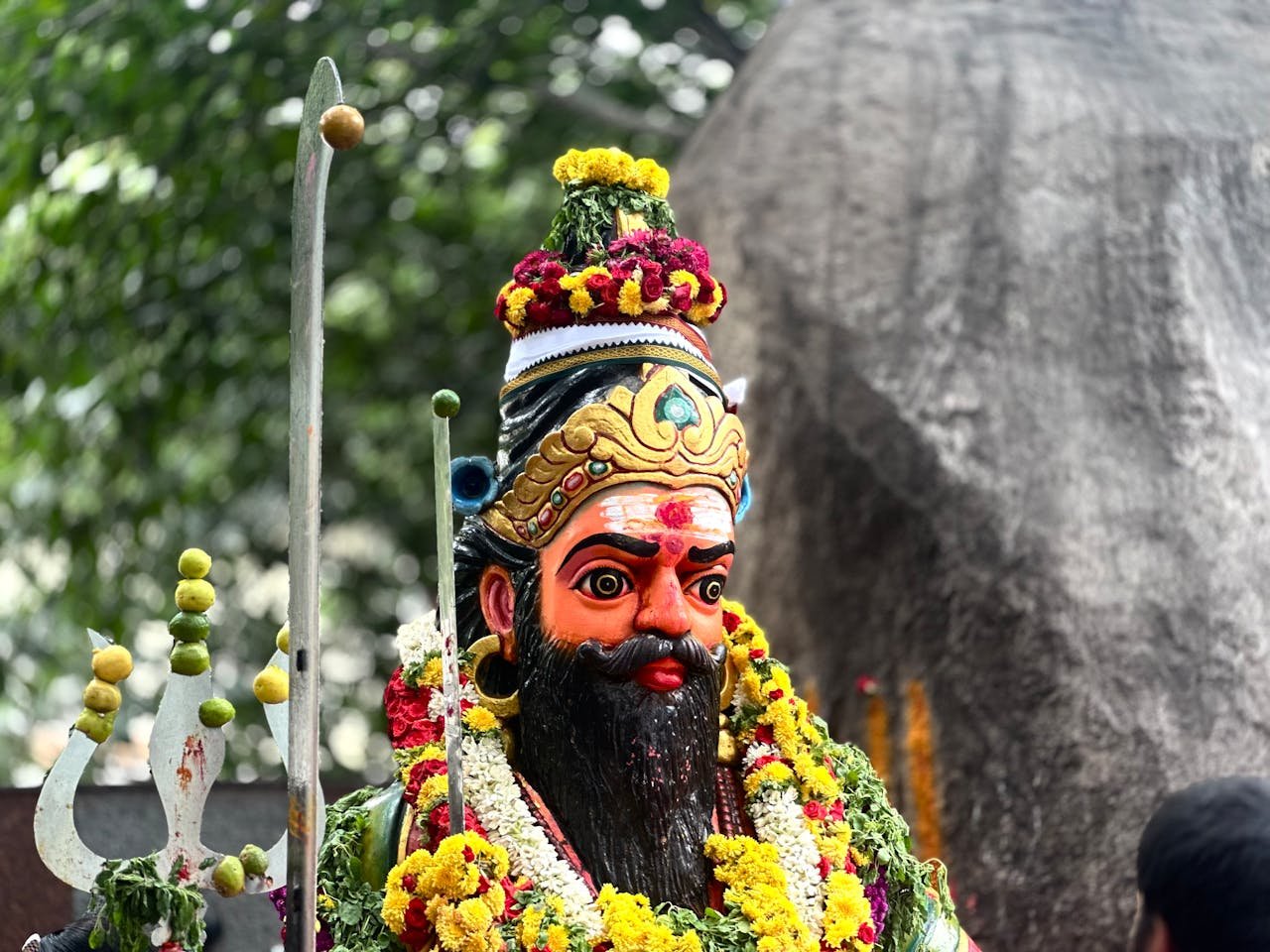
Hindu Beliefs About Life and Death
In Hinduism, the concepts of life and death are deeply intertwined with the notions of reincarnation and karma. The Bhagavad Gita, a sacred text, articulates these beliefs succinctly. One of its key verses, Bhagavad Gita 2:27, states, “For one who is born, death is certain; and for one who is dead, birth is certain.” This encapsulates the cyclical nature of existence in Hindu philosophy, where life is seen as an ongoing journey through various incarnations.
Hindus believe that the soul (atman) undergoes a cycle of birth, death, and rebirth (samsara). Each life is an opportunity for the soul to evolve, learn, and accumulate karma, which influences future existences. Therefore, ending a life prematurely through practices such as euthanasia is viewed as not only morally wrong but also detrimental to the soul’s journey. It interferes with the natural order of life and death, which is governed by divine laws.
The emphasis on karma further complicates the issue of euthanasia. Hindus believe that every action has consequences that affect one’s future lives. Consequently, hastening death can lead to negative karmic repercussions, both for the individual and for those who facilitate such actions. Instead of seeking to end suffering through euthanasia, Hindu teachings advocate for enduring hardship with grace, as it may lead to spiritual growth and eventual liberation (moksha).
Thus, the Hindu perspective on euthanasia is one of caution and respect for the natural life cycle. Decisions regarding end-of-life care should reflect this understanding, emphasizing compassion and the sanctity of life while allowing the natural course of existence to unfold.
Philosophical Insights on Euthanasia
Seneca, the ancient Roman philosopher, offered profound insights on the nature of life and the importance of living rightly. He believed that life is not inherently short, but rather it is our misallocation of time that makes it seem fleeting. Seneca stated in his Letters, “It is not that we have a short time to live, but that we waste a lot of it.” This perspective invites us to consider the quality of life over mere existence, particularly in discussions surrounding euthanasia.
In ethical debates, the distinction between the quality of life and the quantity of life is paramount. Proponents of euthanasia often argue that individuals should have the autonomy to end their suffering when life no longer holds value for them. This aligns with Seneca’s emphasis on making conscious choices about one’s life based on current circumstances rather than fears about the future. On the other hand, opponents raise concerns about the sanctity of life and the potential for a slippery slope in devaluing existence. They argue that all lives, regardless of their quality, have inherent value and should be preserved.
Philosophical discussions around euthanasia also explore the moral case for voluntary euthanasia. This case highlights the right to die with dignity and emphasizes individual autonomy. Yet, ethical objections persist, often rooted in the belief that life should be preserved at all costs. By examining these philosophical frameworks, we can better understand the complex ethical landscape surrounding euthanasia, striking a balance between valuing life and recognizing the right to choose a dignified end.
Medical Perspectives and Ethical Dilemmas
The debate surrounding physician-assisted death remains a contentious topic within the medical community. Dr. Timothy Quill is a notable advocate for this practice, arguing that it can enhance patient autonomy and alleviate suffering. He suggests that when patients face terminal illnesses, they should have the option to choose a dignified death. Quill states, “When a patient is suffering and there is no hope for recovery, they should not be forced to endure unbearable pain.” This perspective brings to light the ethical dilemmas faced by healthcare providers, particularly when balancing patient autonomy against traditional medical ethics.
On the other hand, Dr. Daniel Callahan presents a contrasting view, asserting that euthanasia is fundamentally at odds with the goals of medicine. He posits that the primary objective of healthcare is to heal and preserve life, making any form of assisted death a violation of this sacred duty. Callahan emphasizes, “Euthanasia changes the very nature of medicine, compelling it to embrace a role that is fundamentally inconsistent with its historical purpose.” This divergence in perspectives underscores the moral complexities that medical professionals encounter.
Ethical challenges are further amplified in end-of-life care. Healthcare providers often grapple with issues such as patient autonomy, communication breakdowns, and the management of pain relief versus potential side effects. As they navigate these difficult waters, the need for clear guidelines and ethical education becomes increasingly important. The ethical landscape of euthanasia evokes profound questions about the role of medical practitioners in life and death situations, highlighting the necessity of ongoing dialogue and understanding within the field.
Historical Oaths and Euthanasia
The discussion surrounding euthanasia often intersects with the historical foundations of medical ethics, notably encapsulated in the Hippocratic Oath. This ancient pledge, attributed to Hippocrates, the father of medicine, embodies the ethical framework that has guided physicians for centuries. One of the most significant tenets of this oath is the commitment to avoid causing harm, famously stated as, “I will give no deadly medicine to any, nor suggest such counsel.” This directive firmly establishes a moral boundary against practices that intentionally end life.
In the historical context, the Hippocratic Oath has profoundly influenced medical ethics, shaping the responsibilities of physicians towards their patients. The oath emphasizes the sanctity of life, a principle that continues to resonate in contemporary debates on euthanasia. The act of intentionally ending a life, even under the guise of mercy, raises ethical questions that challenge the core purpose of medicine: to heal rather than to harm.
As society evolved, so did the interpretations of medical ethics. Throughout history, various cultures and religions have grappled with the implications of euthanasia. The moral complexities of end-of-life care necessitate a careful examination of patient autonomy versus the physician’s duty to preserve life. As healthcare professionals increasingly encounter scenarios where patients express a desire for assisted death, it becomes crucial to reflect on these historical oaths and their implications. Understanding the roots of medical ethics provides valuable insight into the ongoing conversations around euthanasia, as it intertwines deeply with modern medical practices and societal values. For a broader understanding of these ethical challenges, consider exploring the ethical issues in end-of-life care, which highlight the complexities faced by healthcare providers today.
FAQ on Euthanasia and End-of-Life Care
As the conversation around euthanasia and end-of-life care continues to evolve, many questions arise. Here are some common inquiries that highlight the ethical, religious, and medical concerns surrounding this sensitive topic.
What is euthanasia? Euthanasia refers to the practice of intentionally ending a person’s life to relieve suffering. It can be voluntary, where a patient consents, or involuntary, where the decision is made without the patient’s explicit agreement. Understanding the nuances of this definition is essential for informed discussions.
Is euthanasia legal? The legality of euthanasia varies by country and, in some cases, by region. Several places have legalized forms of assisted dying under strict regulations, while others maintain prohibitions against the practice. Always check local laws for specific regulations.
How does religion view euthanasia? Religious perspectives on euthanasia are diverse. Many faiths, including Christianity, view life as sacred, believing that only God should determine the time of death. For example, the Bible emphasizes life’s predetermined boundaries, as seen in Job 14:5. In contrast, some interpretations within Buddhism may focus on the impermanence of life.
What ethical concerns arise in end-of-life care? Ethical dilemmas often occur when considering patient autonomy, informed consent, and the potential for family disagreements. Healthcare providers must navigate these challenges while respecting patients’ wishes. Effective communication and advance directives are crucial in addressing these issues. For more on these challenges, explore the ethical issues faced by nurses in end-of-life care here.
How can healthcare providers support patients facing these decisions? Healthcare providers play a vital role in facilitating discussions about end-of-life care. They should provide comprehensive information about treatment options, listen to patient preferences, and ensure that ethical considerations are addressed throughout the process.

Conclusion
The discussion surrounding euthanasia and end-of-life care is multi-faceted, drawing insights from religious, philosophical, and medical perspectives. From a biblical viewpoint, life is seen as sacred, with verses such as Job 14:5 emphasizing that our days are predetermined by God. This aligns with Christian beliefs about the sanctity of life, suggesting that ending a life, even with good intentions, may conflict with divine authority.
Philosophically, the debate often centers on the quality of life versus the sanctity of life. Thinkers like Seneca argue for living rightly, prompting reflections on what constitutes a life worth living. This perspective complicates discussions about euthanasia, as it raises questions about the values we assign to suffering and dignity.
From a medical standpoint, the ethical dilemmas faced by healthcare providers are significant. Nurses, for instance, navigate challenges such as patient autonomy and informed consent while ensuring compassionate care. The ethical complexities of end-of-life choices become evident, especially when patients’ wishes conflict with family opinions or medical protocols. As highlighted in a discussion on end-of-life care ethical issues, the ability to communicate effectively and respect patient preferences is crucial.
In conclusion, the intersection of these perspectives reveals the complexities surrounding euthanasia and end-of-life care. Each viewpoint adds layers to the conversation, making it essential for individuals to reflect deeply on their beliefs and the implications of their choices in these critical situations.
Contact us and grow with us. Connect with us on Youtube, Facebook, and LinkedIn.
We hope to see you soon!




Leave a Reply